
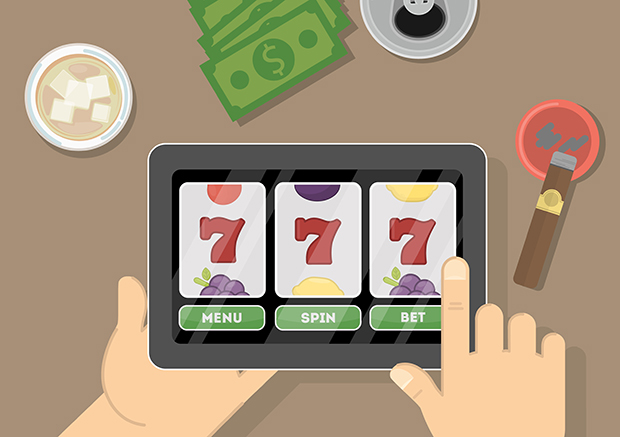
The current online casino experience is not anymore one-size-fits-all. Fiesta Casino has developed a extensive settings hub that gives players granular control over their gaming environment. As opposed to forcing every user through an uniform interface, the platform permits individuals to customize financial limits, communication frequency, game display filters, and security protocols from a unified dashboard. This depth of personalization goes far beyond cosmetic themes, converting the operator–player relationship from a preset service into a adjustable tool. For players who value autonomy, the hub makes every session adapts to their boundaries and tastes.
Why a Centralized Preferences Engine Matters
Bringing together all configurable parameters into one interface solves a persistent friction. Before, responsible gaming tools, payment settings, and notification preferences were dispersed across different menus, preventing active management. By combining these controls, Fiesta Casino reduces cognitive load and enables a player modify a deposit cap, disable promotional emails, and move to a streamlined lobby view in a single session. Changes take effect in real time, so a newly set loss limit takes effect to the very next spin or hand. This design considers player agency as a core feature, not a compliance checkbox, strengthening the brand’s commitment to consumer protection.
Responsible Play Integration Across the Hub
Rather than isolating safer gambling tools, Fiesta Casino embeds them throughout the preferences architecture. The deposit limit module is positioned next to payment methods; the session time reminder is set up alongside notification preferences. This makes routine limit-setting as part of standard account setup, not an intervention. The hub also contains an optional self-assessment questionnaire that generates a confidential risk score and suggests relevant configurations. The questionnaire is non-punitive and does not trigger automatic restrictions, acting as an educational mirror to help players consider and adjust proactively.
Reality Check and Session Timeout Tools
The reality check displays an on-screen alert at intervals between 15 and 60 minutes during play, displaying session duration, total wagered, and net result. The screen darkens and the player must acknowledge the popup to continue. The session timeout signs out the account after a configurable period of one to six hours of continuous play. Both tools can be changed from the hub, and the platform suggests keeping at least one active to disrupt dissociative play states.
Security and Login Configuration
The security area consolidates login safeguards, session management, and device approval. Players can enroll in two-factor authentication via an authenticator app or SMS, with a green or amber status indicator. Active sessions are listed with device type, IP location, and timestamp, and any session can be closed remotely with one click. An audit log logs recent account changes—such as deposit limit adjustments or new withdrawal address—with timestamps and geolocation, giving the account holder full transparency and a tool to detect unauthorized modifications.
2FA Enrollment Tutorial
Turning on two-factor authentication follows an embedded wizard. The player picks a second factor, scans a QR code if using an app, and enters a confirmation code. The hub then creates one-time backup codes and tells the player to store them offline for recovery if the primary device is lost. The interface warns that support cannot bypass two-factor without rigorous identity verification, bolstering security. Once active, every new-device login activates the challenge, and the authorization appears in the session log.
Payment Method Handling and Withdrawal Preferences
The payment dashboard shows all connected funding sources with deposit turnaround and payout eligibility. Members choose a preferred withdrawal method, and the system routes payouts there first under the closed-loop policy. A tracking bar tracks outstanding cashouts. E-wallet withdrawals finish within 24 hours; card or bank transfers require three to five business days. Verification status indicators display which payment types are completely approved for both deposits and payouts.
Closed-Loop Policy and Method Verification
The site enforces a closed-loop policy: payouts must go back to a previously used deposit method up to the sum deposited, with excess winnings routed to the player’s preferred alternative. The area describes this in simple terms and presents return-to-origin allocations. Adding a new payment method requires validation—often a image or partially obscured card photo. Verification status badges erase guesswork, displaying which methods are authorized for both deposit and cashout.
Communication and Preference Settings
The hub extends control over outbound communication via a multichannel matrix. Each group—promotional, transactional, and research—can be handled separately across email, SMS, push, and in-app messages. A global mute toggle mutes all marketing immediately, while transactional alerts for deposits, withdrawals, and security events remain mandatory. Changes take effect within one hour, with full synchronization up to 24 hours, preventing frustration when a message is already queued. A player may allow bonus offers by email while silencing push notifications.
Channel-Specific Toggles and Scheduling
Each communication channel has a dedicated panel with sub-toggles for transactional, promotional, and research messages. Transactional messages cannot be fully disabled due to regulatory requirements. Promotional messages include bonus offers, tournament announcements, and loyalty updates. Research messages include surveys and beta invitations. Changes may take up to 24 hours to propagate, so a player who unsubscribes might still receive a message already queued. This transparency lessens frustration.
Game Presentation and Interface Tailoring
Apart from monetary and messaging options, the hub lets players reshape the game library. Saving filters can conceal whole sections—a slot enthusiast can remove all table games, and a roulette specialist can collapse slot suggestions. The preference sticks across sessions and devices. A restricted mode option removes games with themes or mechanics a player prefers to skip, in line with responsible gaming best practices. The lobby can also sort by volatility or provider, building a curated experience.
Developer and Variance Filters
The provider filter enables members to tailor the lobby by studio. Ticking a box shows that provider’s content; unchecking removes them. The volatility filter provides a slider from low to high, showing games that suit risk preference. Low-risk slots give smaller payouts more frequently; high-risk slots deliver scarce but higher payouts. A tooltip clarifies these ideas. Settings stay until manually changed, so the lobby always reflects the player’s taste.
Financial Control Modules Within the Hub
The financial component of the settings hub is its key component. A organized collection of tools maintains self-imposed boundaries without requiring support contact. The system distinguishes among three distinct limit types, each with its own timer and instantaneous tightening. en.wikipedia.org Loosening a restriction involves a cooling-off delay to prevent impulsive reversals. The hub displays every limit’s status with distinct visual indicators—active, nearing breach, or expired—removing ambiguity about financial exposure during play.
- Deposit caps limit how much money can be moved into the account
- Loss limits track net losses and stop play when the threshold is crossed
- Wagering thresholds limit the total volume of bets placed regardless of outcomes
Deposit Caps and Associated Rolling Windows
Deposit limits serve as the foundation of budgetary discipline. The hub enables configuration on a daily, weekly, or monthly rolling basis. A daily cap renews every 24 hours from the moment it is set; a monthly cap follows a calendar-month cycle. Once a deposit drives the total to the defined ceiling, the cashier promptly rejects further top-up attempts until the window resets—a hard block, not a warning. The interface presents a running tally of remaining headroom, so a player is always aware exactly how much more they can transfer before approaching the wall.
Setting Up a Monthly Hard Stop
Configuring a monthly hard stop involves navigating to the deposit limit tile, choosing the monthly option, entering a value, and verifying. The hub promptly displays the new ceiling and commences tracking. If a player has already deposited an amount surpassing the new limit this month, the system halts all further deposits until the next cycle but does not ex post penalize. The confirmation screen provides a plain-language summary of the rule, and an automated email records the change for personal records, offering an extra layer of accountability.
Loss Limits and Wagering Thresholds
Apart from deposit controls, loss limits measure net losses over a defined period and pause play when breached. Net loss represents total wagers minus total wins, resetting according to the chosen cycle. When triggered, the platform restricts real-money games but allows withdrawals and account history review. Wagering thresholds restrict the total volume of bets placed, shielding players whose bankrolls diminish slowly through house edge even without large losses. Both tools can be restricted instantly but need a cooling-off period to ease.
Cross-Device Synchronization and Account Portability
Any preference configured in the hub synchronizes across computer, mobile browser, and native apps via a cloud profile. A deposit limit established on a laptop is enforced immediately to a phone session; a lobby filter set on a tablet alters the game grid on a desktop. Biometric security settings are per-device and must be enabled separately on each handset. The hub uses globe or device icons to indicate which settings are global and which are local, preventing confusion when moving devices.
Personal Data Protection and Advertising Consent Structure
The consent panel converts lawful consent into actionable switches. Users can opt out of personalized offers based on gaming data while still receiving generic promotions. They can withdraw external analytics cookies without impacting core functionality. A one-click download button compiles all personal information, meeting data portability rights. A deletion request workflow guides account termination with explicit notices about voided bonuses and irreversibility. Every consent switch includes a plain-English summary.
The Hub’s Role Bolsters the Entire Platform Offering
The preferences hub isn’t an isolated feature but a structural element that elevates the entire Fiesta Casino experience. By offering players fine-grained control, the platform reduces friction, builds trust, and differentiates itself in a market where many operators still offer rigid account settings. The hub also functions as a compliance asset, demonstrating proactive player protection. For the player, the result is a gaming environment that adapts to their boundaries and tastes, positioning the brand ahead of the curve as personalization becomes a baseline expectation.
FAQ
How soon do deposit limit changes take effect?
Decreasing a deposit limit applies instantly across all payment channels. Increasing a limit involves a 24-hour cooling-off period to stop impulsive decisions. The hub presents a countdown timer for any pending increase, so the player understands exactly when the higher limit activates. No support intervention can bypass this delay. The moment a decrease is verified, the cashier enforces the new ceiling immediately.
Can a player deactivate all marketing communications at once?
Yes, a global marketing mute toggle blocks all promotional emails, SMS, push notifications, and in-app banners with one switch. Transactional messages related to deposits, withdrawals, and security remain active because they are operationally necessary. The global toggle overrides individual channel settings, so a player need not hunt through menus. Re-enabling marketing requires manually turning channels back on, adding deliberate friction.
What takes place when a loss limit is reached mid-game?
Does the lobby customization impact game availability?
No, filtering the lobby just changes the default display; it doesn’t remove any games. A player who hides all table games can still search for a specific blackjack title by name. The filters act as a persistent view preference, not a restriction. The safe-mode toggle, however, hides flagged content categories from both browse and search, requiring a deliberate opt-out to reveal those titles again.
How are withdrawal methods prioritized in the hub?
Players choose a preferred withdrawal method from verified funding sources. The system directs payouts to it first, subject to the closed-loop policy requiring return of deposited amounts to their original source. Any winnings exceeding total deposits can flow entirely to the preferred method. If the preferred method is unavailable, the system falls back to the next eligible option and notifies the player.
Will two-factor authentication mandatory for all accounts?
2FA is optional but strongly encouraged. The hub presents it during account setup and periodically reminds players who haven’t enabled it. Some actions—like altering a withdrawal method or adjusting a deposit limit from a new device—may activate a one-time code requirement despite lacking full enrollment. The platform might require two-factor authentication for accounts with abnormal activity patterns as a safeguarding measure.

In what way does the reality check tool differ from the session timeout?
The reality check is a repeated popup that surfaces at a selected interval throughout gameplay, displaying session statistics and requiring manual dismissal https://fiestacasinoo.com/. It does not log the player out. The session timeout is a firm cap that automatically ends the session after a predetermined period of continuous activity, requiring a full re-login. The reality check encourages reflection, while the timeout guarantees a clear-cut break. Players can use either or both concurrently.